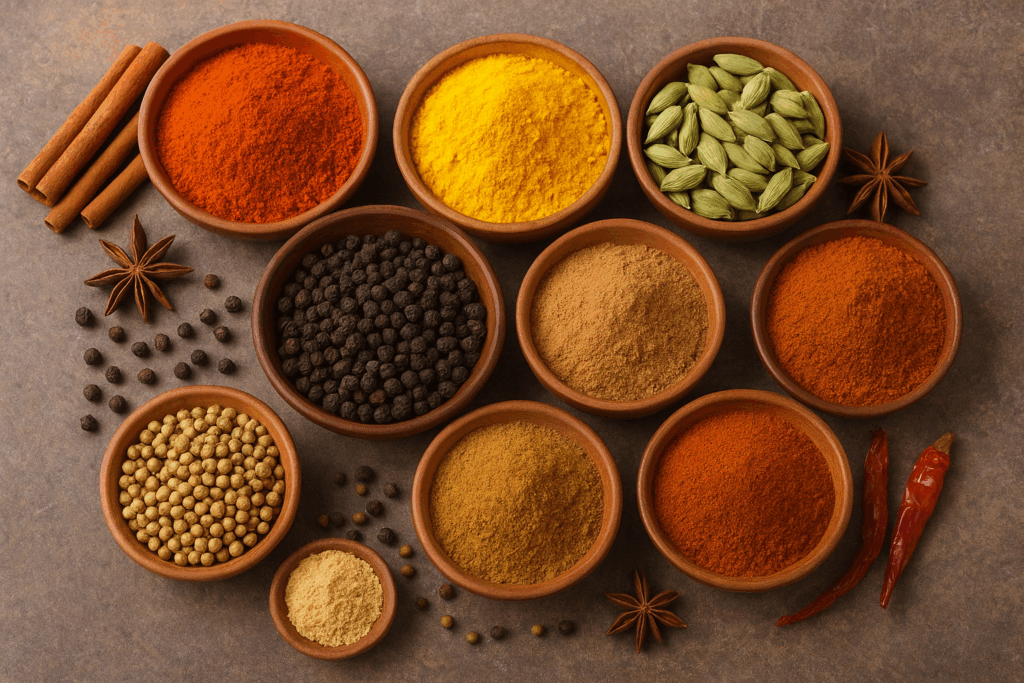
In the rich tapestry of global spices, few are as intriguing and historically significant as maniguette, also known as Graines de Melegueta or Guinea pepper. Often overshadowed by its more famous cousins—black pepper and chili—maniguette spice offers a unique sensory experience, combining peppery heat, earthy undertones, and a subtle hint of citrus. Its story spans continents and centuries, intertwining culinary traditions, medicine, and trade in ways that make it a spice worth rediscovering.
Origins and History
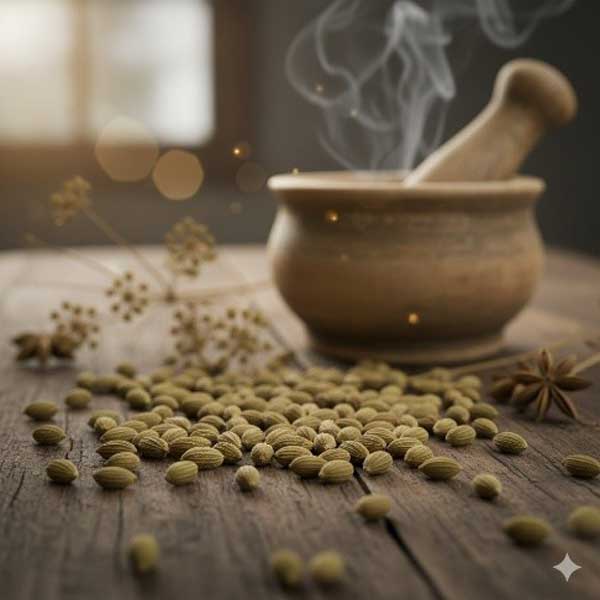
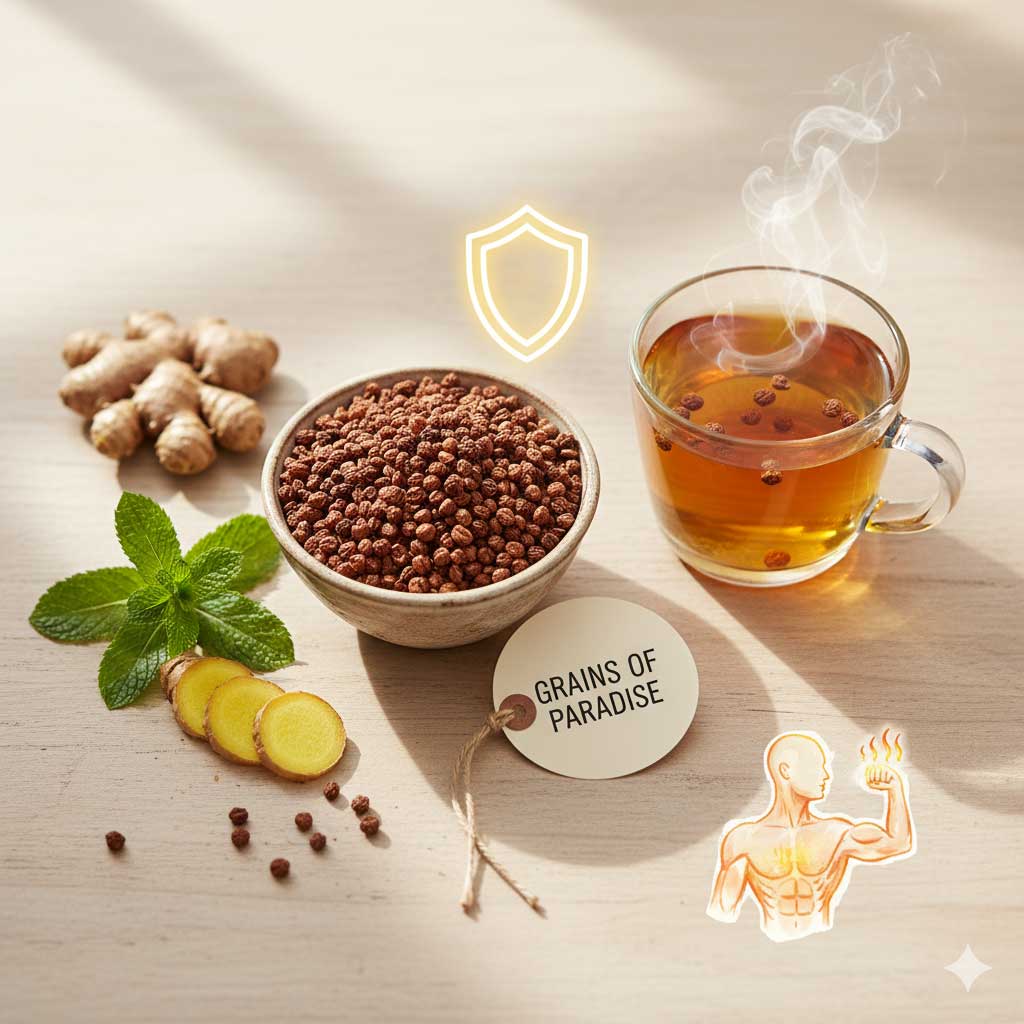
Maniguette spice originates from the tropical rainforests of West Africa, particularly the coastal regions of Ghana, Ivory Coast, and Nigeria. Its botanical name is Aframomum melegueta, a member of the Zingiberaceae family, which includes ginger. Its seeds are harvested from small, reddish-brown pods, often slightly wrinkled, and are prized for their aromatic intensity.
The spice has a rich historical legacy. By the Middle Ages, it had become a highly sought-after commodity in Europe, often referred to as the “grains of paradise.” Traders from North Africa and Europe transported it along trans-Saharan and Atlantic routes, where it was valued not only for culinary purposes but also for its supposed medicinal properties. In medieval Europe, it was used to flavor meats, sauces, and beverages, and it even found a place in ale and beer production, long before hops became standard.
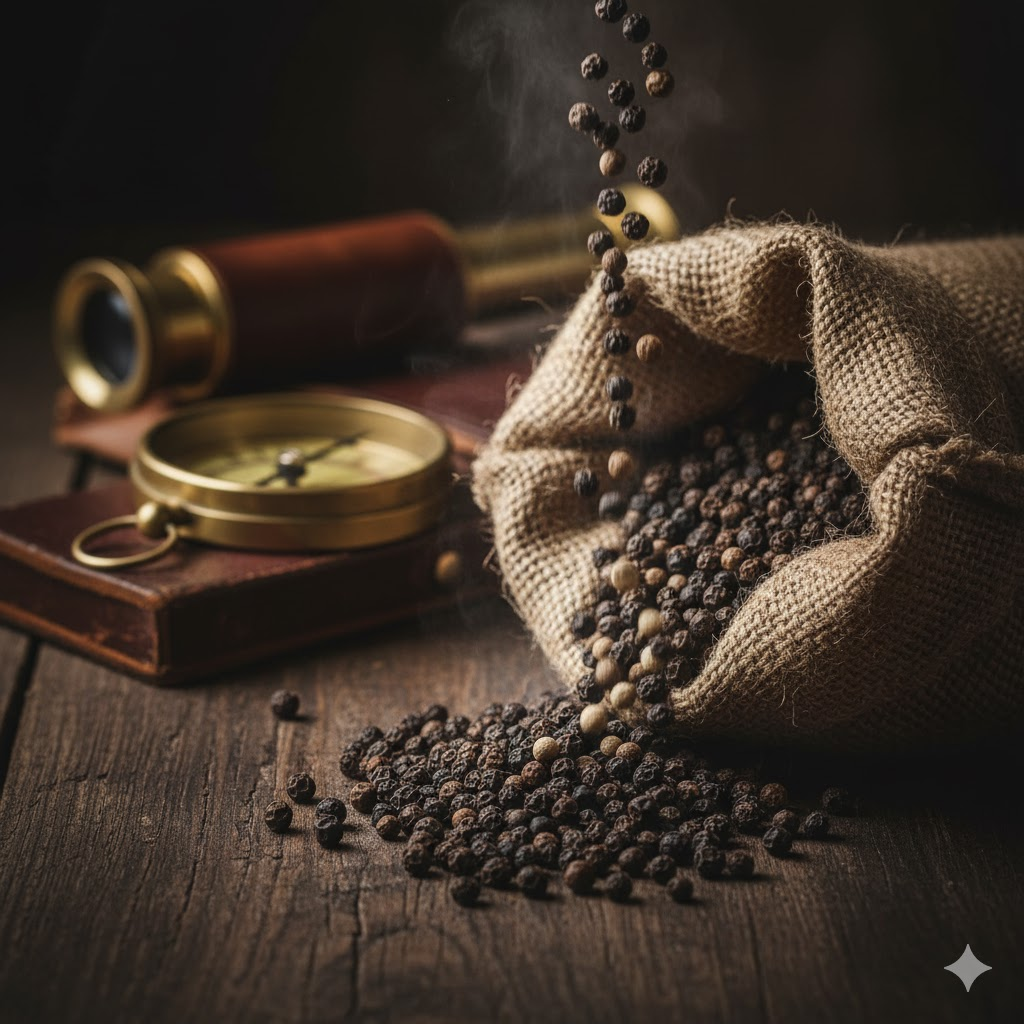
During the Age of Exploration, maniguette spice played a role similar to that of black pepper, driving trade and influencing colonial ventures along the West African coast. Its popularity waned somewhat with the rise of New World spices such as chili peppers and vanilla, but it never disappeared entirely, remaining a staple in West African kitchens.
Flavor Profile
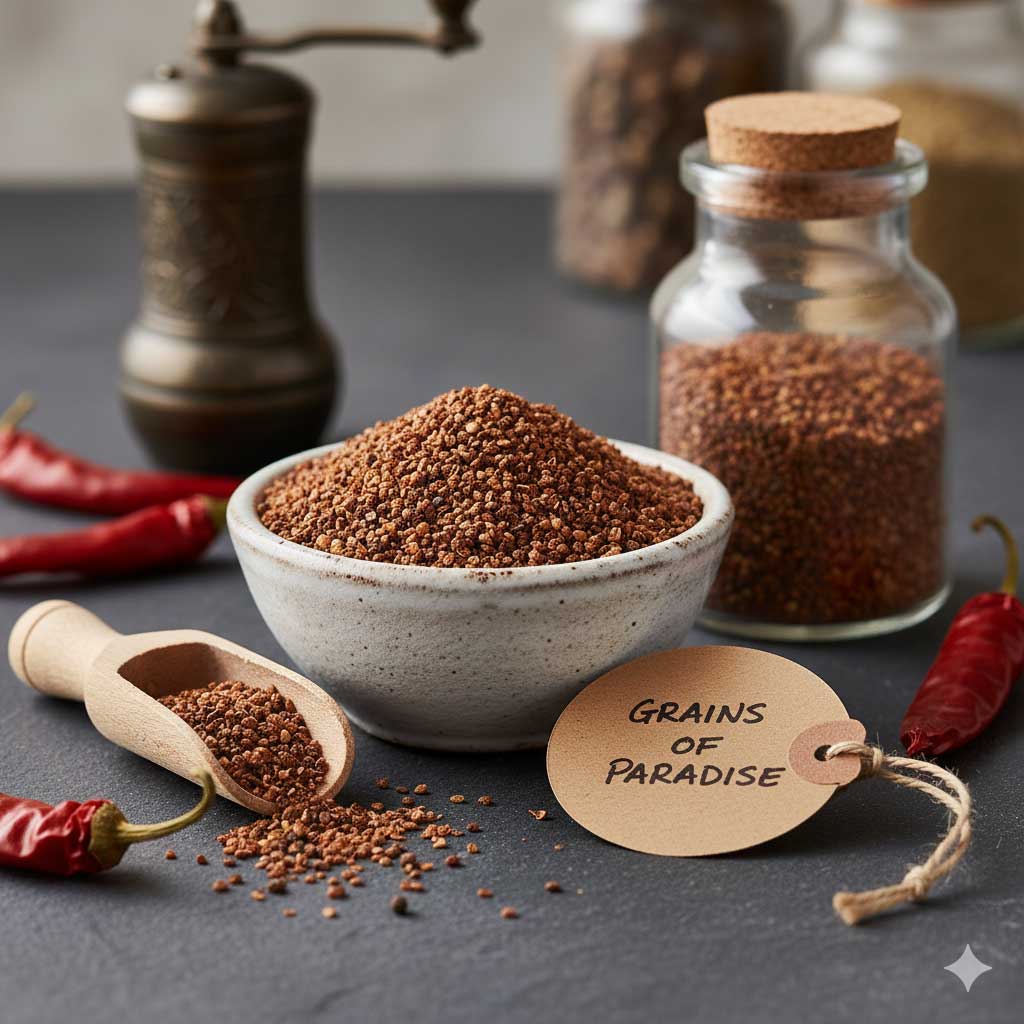
Maniguette is often described as a pepper alternative, but its profile is more complex than standard black pepper. The seeds provide a warm, pungent heat with earthy and slightly bitter undertones. What sets maniguette apart is its aromatic character—a mix of citrus, cardamom, and a touch of ginger.
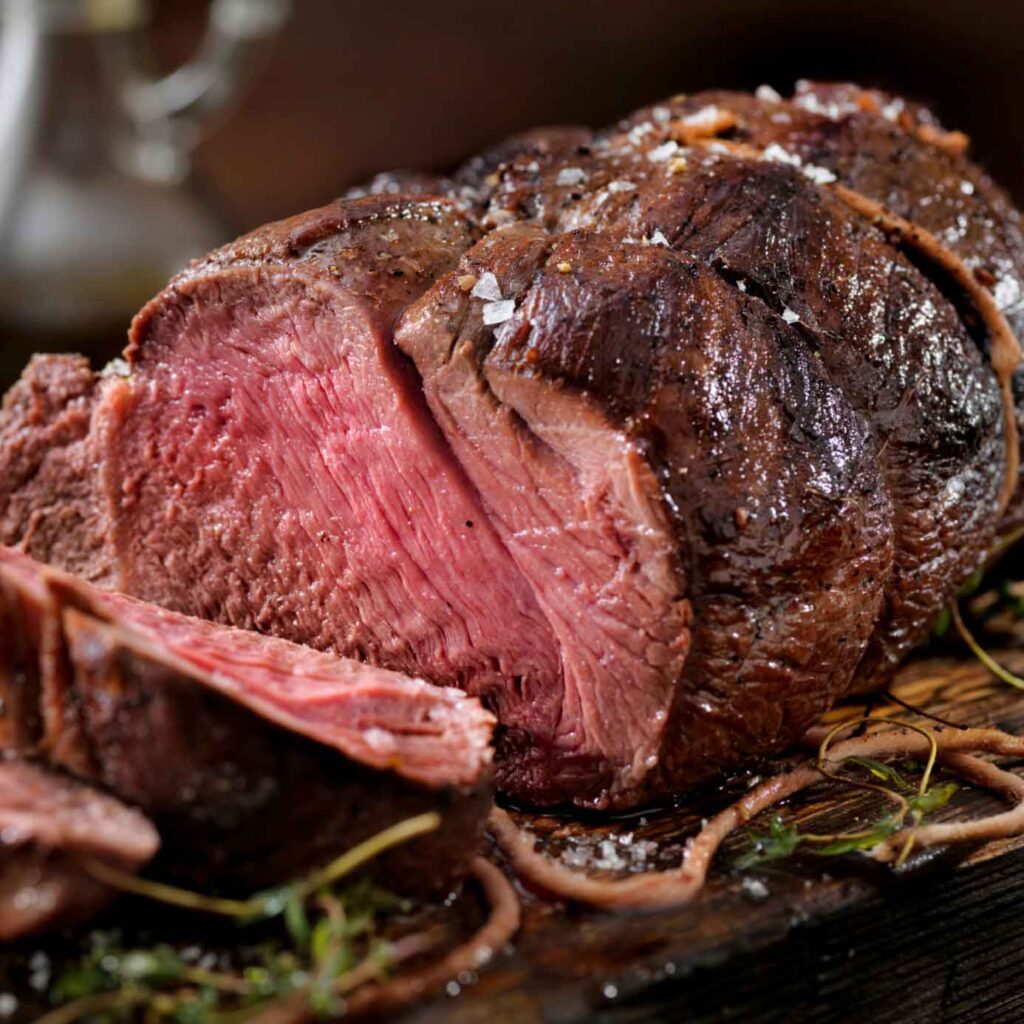
When freshly ground, the spice releases an intoxicating aroma that hints at its versatile culinary potential. Its heat is immediate but not overpowering, making it suitable for both subtle seasoning and bold flavoring. It pairs exceptionally well with meats, particularly beef, lamb, and game, as well as with vegetables, stews, and rich sauces. Its citrus notes also allow it to complement sweet dishes, such as fruit compotes or spiced chocolate.
Culinary Uses
In West Africa, maniguette spice is far more than a spice; it is an essential component of traditional cuisine. In Ghana, for instance, it is often ground and added to soups and stews, lending warmth and complexity. In Nigeria, it is used in peppery sauces and marinades, sometimes alongside chili to create a layered heat.
One of its remarkable qualities is its ability to balance both sweet and savory flavors. Chefs and home cooks alike have experimented with maniguette in spice rubs for roasted meats, infused oils, and even baked goods. Its inclusion in chocolate-based desserts, in particular, highlights its slightly bitter and citrusy edge, providing depth without overwhelming sweetness.

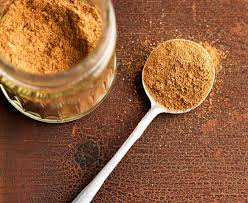
Maniguette spice can be used whole or ground, though freshly ground seeds release the fullest flavor. Because of its potency, a little goes a long way. Many culinary enthusiasts recommend toasting the seeds lightly before grinding to intensify the aroma and bring out hidden notes of cardamom and ginger.
Medicinal and Cultural Significance
Beyond the kitchen, maniguette has a long history of use in traditional medicine. In West African herbal practices, it is believed to aid digestion, stimulate appetite, and promote circulation. Some cultures also attribute aphrodisiac qualities to the spice, while others use it in rituals and ceremonies as a symbol of prosperity and protection.
Scientific studies have confirmed that maniguette spice contains bioactive compounds such as gingerols and paradols, which contribute to its antioxidant and anti-inflammatory properties. While it should not replace modern medicine, its traditional use reflects an understanding of the connection between flavor and well-being, a principle that resonates in culinary traditions worldwide.
Modern Culinary Revival
In recent years, maniguette has experienced a resurgence among chefs and spice enthusiasts seeking alternatives to common peppers. Its nuanced heat and aromatic complexity make it ideal for experimental cuisine, where it can stand alone as a feature spice or blend harmoniously with other aromatics.
In high-end restaurants, maniguette is being rediscovered in spice blends, marinades, and even cocktails. Mixologists have explored its potential in infused spirits and bitters, leveraging its peppery warmth and citrus notes to create innovative drinks. Similarly, artisanal chocolatiers and bakers have experimented with it to add subtle heat and depth to desserts, echoing its historical use in European kitchens centuries ago.
How to Store and Use Maniguette spice
Proper storage is key to maintaining the spice’s potency. Whole seeds should be kept in airtight containers, away from direct sunlight and moisture, to preserve their essential oils. Ground maniguette, like any spice, loses its intensity faster and should ideally be used within a few months of grinding.
For home cooks, a simple method to enjoy its full flavor is to toast the seeds lightly in a dry pan until aromatic, then grind them using a mortar and pestle. Start with a small amount—perhaps half a teaspoon for a stew or marinade—and adjust according to taste. Its versatility allows it to enhance both bold and delicate dishes, making it an invaluable addition to any spice collection.
Conclusion
Maniguette spice, or Graines de Melegueta, deserves recognition not just as a historical curiosity but as a living, flavorful ingredient. Its journey from West African rainforests to European markets and modern kitchens tells a story of trade, culture, and culinary ingenuity. Its unique flavor profile—peppery, citrusy, and aromatic—offers endless possibilities for creative cooking, while its traditional medicinal uses remind us of the spice’s deeper significance.
Rediscovering maniguette is more than exploring a new flavor; it is reconnecting with a centuries-old tradition, celebrating the artistry of spices, and embracing a culinary heritage that is both rich and enduring. For chefs, food enthusiasts, and anyone curious about global flavors, maniguette is a spice that promises to surprise, delight, and inspire.